

I avoid searching the internet exclusively due to conflicting information overload. Instead, my goal is to conduct my own thorough research with local professionals and share my findings as I progress. If you have gone through a similar process, feel free to advise or inquire about specific topics. You’re likely not alone in your quest for answers!
Visa and Residency:

What are the visa requirements for retiring in France?
TBA
How do I obtain long-term residency in France?
TBA
Can I apply for French citizenship as a retiree?
TBA
Healthcare:
How does healthcare work for expats in France?
TBA
Can I use my home country’s health insurance in France?
TBA
What are the options for private health insurance in France?
TBA
Housing and Real Estate:
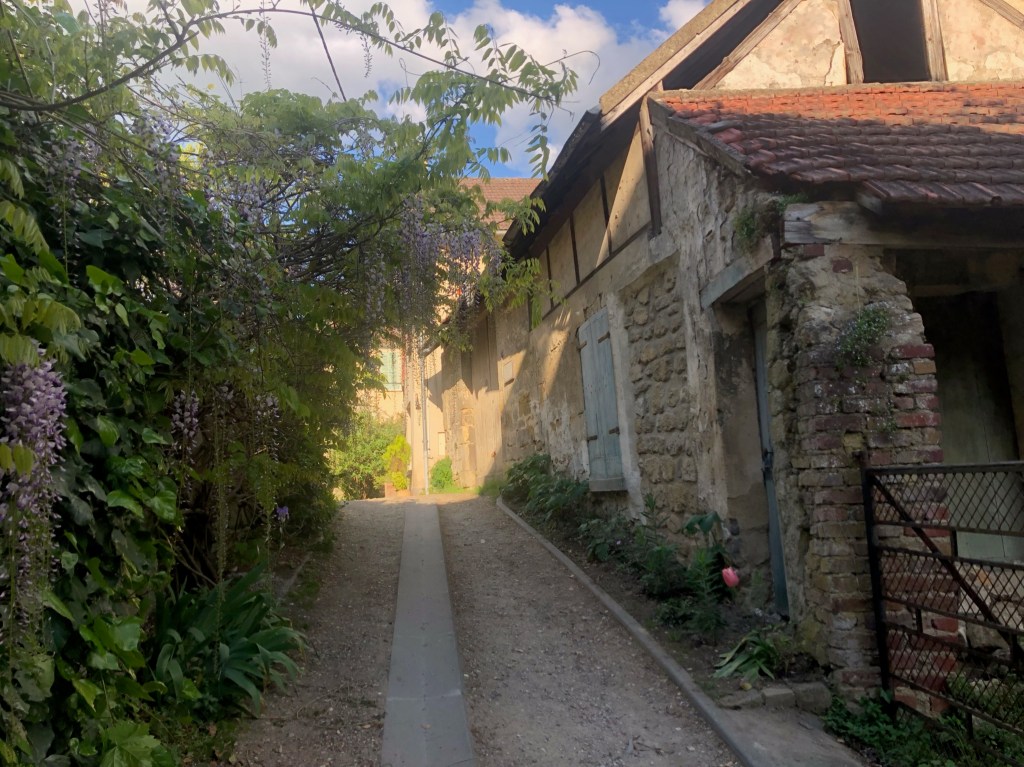
How do I buy property in France as a foreigner?
TBA
Are there any restrictions on owning property in France?
TBA
Cost of Living:
What is the cost of living like in France compared to my home country?
TBA
What are some of the breakdown of costs related to moving from Canada to France?
Here are some of the costs that are related to moving to France but, these fees do not include the actual cost of purchasing a property as everyone’s budget can differ:
- Real Estate Agent Fees: Typically, real estate agent fees in France range from 3% to 8% of the property’s purchase price. This cost will vary depending on the agreement with the agent and the specific services provided.
- Travel Expenses: Airplane tickets for multiple trips between Canada and France for property visits, meetings with real estate agents, and the actual relocation can add up significantly. Prices for flights vary depending on the time of year, airline, and class of travel.
- Legal and Notary Fees: Legal and notary fees in France can amount to approximately 1% to 2% of the property’s purchase price. These fees cover legal assistance, document drafting, and the notarization of the property sale.
- Permits and Visa Fees: Depending on your immigration status and residency plans in France, you may need to apply for various permits and visas. Costs for permits and visas can vary widely depending on factors such as duration of stay, type of visa, and any associated processing fees.
- Moving Expenses: Costs associated with shipping belongings from Canada to France, including packing materials, shipping fees, customs duties, and insurance.
- Language and Cultural Training: Depending on your proficiency in French and familiarity with French culture, you may incur expenses for language courses, cultural training, or integration programs to help facilitate your transition to life in France.
- Utilities and Setup Costs: Initial setup costs for utilities such as electricity, water, gas, internet, and phone services in your new home. This may include deposits, activation fees, and equipment installation charges.
- Health Insurance: If you’re not covered by the French healthcare system, you’ll need to purchase private health insurance. Costs for health insurance will vary depending on factors such as age, coverage level, and pre-existing conditions.
- Miscellaneous Expenses: Other miscellaneous expenses may include transportation within France, furniture and household goods, registration fees for schools or universities, and any unforeseen expenses that may arise during the relocation process.
Are there any hidden costs associated with retiring in France?
TBA
Paying Taxes in France: What’s to know?
Property taxes in France are known as “taxe foncière” and “taxe d’habitation.” These taxes are paid annually by property owners.
- Taxe Foncière: This is a property tax based on the theoretical rental value of the property. The rate varies depending on the commune (local authority) where the property is located and the property’s size, type, and amenities. In Normandy, the taxe foncière rates are generally in line with the national average, but they can vary significantly between different municipalities.
- Taxe d’Habitation: This tax is paid by the occupant of a property and covers services provided by the local authority, such as garbage collection and street lighting. However, recent changes in French tax law are phasing out the taxe d’habitation for many primary residences. As of 2021, this tax has been eliminated for most households, but it still applies to secondary residences and certain high-income households.
In addition to property taxes, there may be other annual taxes or fees associated with owning a property in Normandy or France in general. These can include:
- Residence Tax (Taxe de Séjour): If you rent out your property as a vacation rental or short-term accommodation, you may be required to collect and remit a residence tax on behalf of your guests. The rate varies depending on the type of accommodation and the local regulations. I will learn more about this tax and how it will relate to a guesthouse should I purchase a property with this option and continue to report on my findings.
- Income Tax on Rental Income: If you rent out your property, you’ll need to declare the rental income on your annual income tax return. The income tax rate depends on your total income and tax bracket.
- Capital Gains Tax (Impôt sur les Plus-Values Immobilières): If you sell your property for a profit, you may be subject to capital gains tax on the difference between the purchase price and the sale price. However, there are exemptions and deductions available depending on the length of time you’ve owned the property and whether it’s your primary residence.
- Local Charges and Fees: Some municipalities may levy additional charges or fees for services such as waste management, water and sewage, and street maintenance. These charges vary depending on the local authority’s policies and the services provided.
It’s essential to consult with a local tax advisor or notary to understand the specific tax obligations and fees associated with owning property in Normandy or any other region of France. They can provide personalized advice based on your individual circumstances and ensure compliance with French tax laws and regulations.
Language and Culture:

Do I need to speak French to retire in France?
TBA
What cultural differences should I be aware of when living in France?
TBA
Retirement Benefits and Pensions:
Can I receive my retirement benefits/pension while living in France?
TBA
How do I transfer my retirement funds to France?
TBA
Are there any tax implications for receiving retirement income in France?
TBA
Social Life and Community:

What are the expat communities like in France?
TBA
Are there any social or recreational activities available for retirees in France?
TBA
How can I meet other expats and locals in France?
TBA
Travel and Transportation:

What are the transportation options in France?
TBA
Can I use my driver’s license from my home country in France?
TBA
What are the best ways to travel within France and to other European countries?
TBA
Safety and Security:
Is France safe for retirees and expats?
TBA
What precautions should I take to ensure my safety in France?
TBA
Pets and Animal Welfare:

What are the requirements for bringing pets to France?
TBA
Are there any restrictions or regulations regarding pet ownership in France?
TBA
How pet-friendly are accommodations and public spaces in France?
TBA






 Maple to Marais