
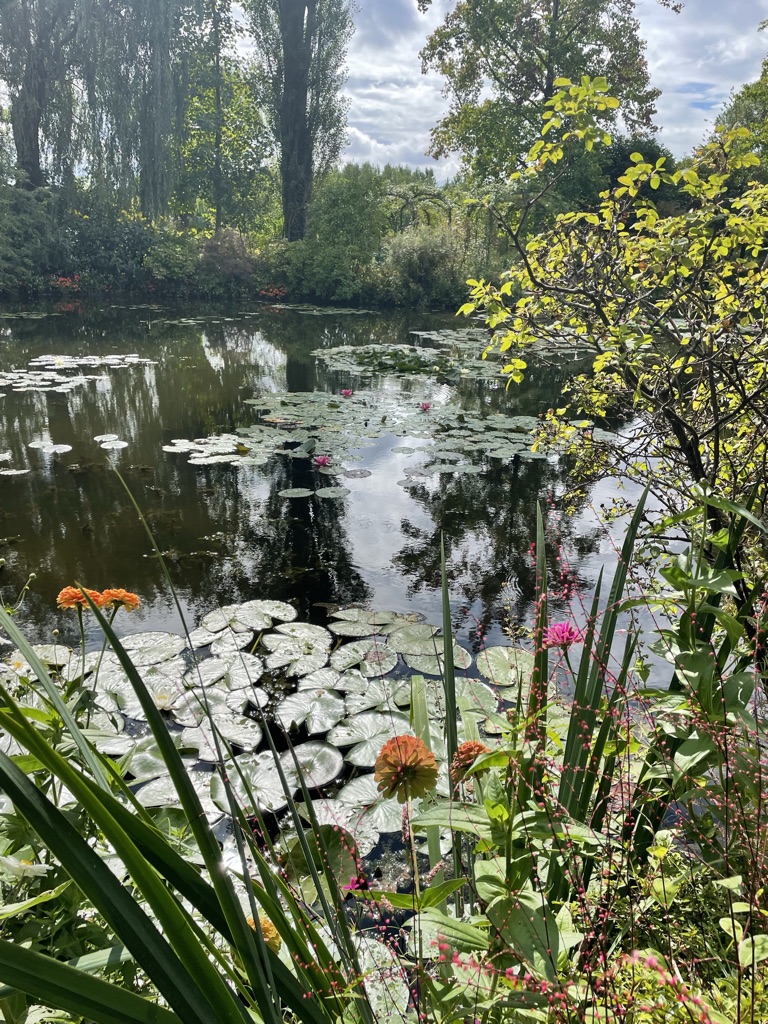
I visited Giverny in September, a quieter time when the blooms were fading and, the crowds were sparse. As someone who has grown to love gardening, the sight of flowers and foliage brings me immense joy. With plans to move to France and cultivate a countryside garden, I envision incorporating indigenous French flora alongside vegetables and herbs, drawing inspiration from Monet’s garden. If you are considering planting a French-style garden, here are some helpful tips for bridging the beauty of Giverny to gardens in Canada and abroad.
Claude Monet’s garden at Giverny, situated in Normandy, France, is a global icon of breathtaking beauty and artistic inspiration. Serving as the muse for many of Monet’s renowned paintings, notably his Water Lilies series, this garden symbolizes natural splendour and creative genius. Giverny is structured into two distinct areas: the Clos Normand and the Water Garden.
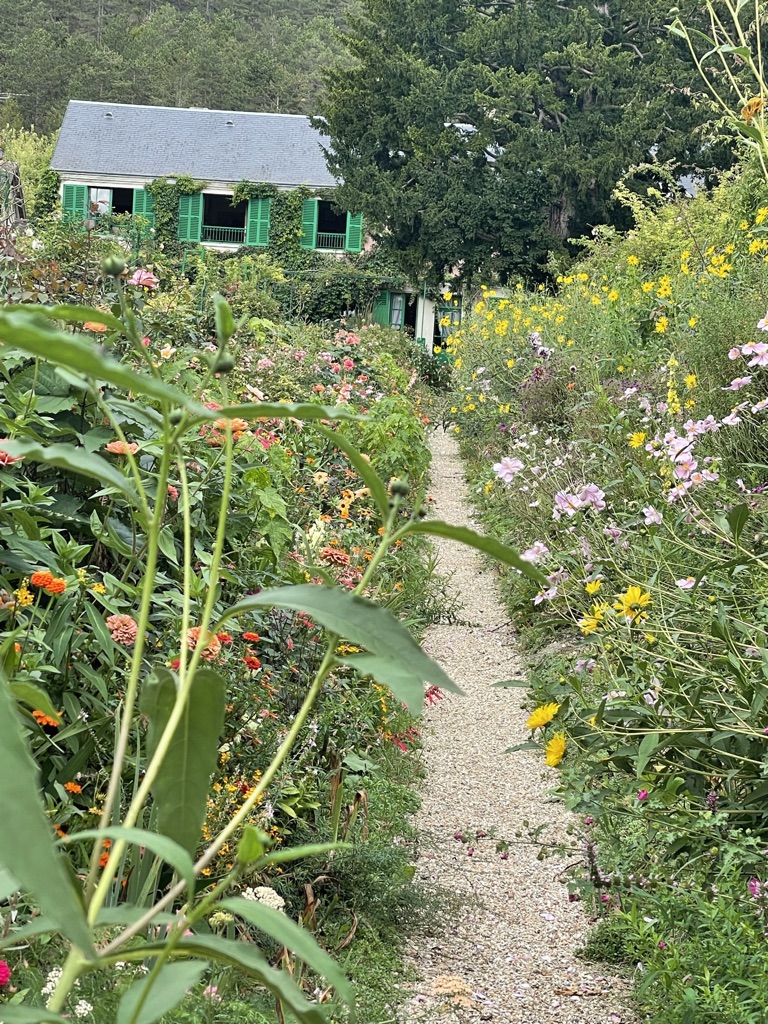
The Clos Normand represents a formal garden adorned with a rich tapestry of flowers meticulously arranged in harmonious colour schemes. Visitors are treated to a delightful array of blooms, including roses, irises, tulips, and peonies, artistically laid out in well-designed beds and pathways. Monet’s expertise in colour and composition shines through in this garden with its vibrant hues and carefully curated plant selection.
The Water Garden, arguably the most iconic part of Giverny, has been immortalized in Monet’s paintings featuring the Japanese footbridge enveloped in wisteria and surrounded by water lilies. This serene oasis boasts a tranquil pond with water lilies and aquatic plants crossed by the famed Japanese bridge. Monet crafted the Water Garden to evoke a sense of peace and contemplation.
The Water Garden, arguably the most iconic part of Giverny, has been immortalized in Monet’s paintings featuring the Japanese footbridge enveloped in wisteria and surrounded by water lilies. This serene oasis boasts a tranquil pond with water lilies and aquatic plants crossed by the famed Japanese bridge. Monet crafted the Water Garden to evoke a sense of peace and contemplation.
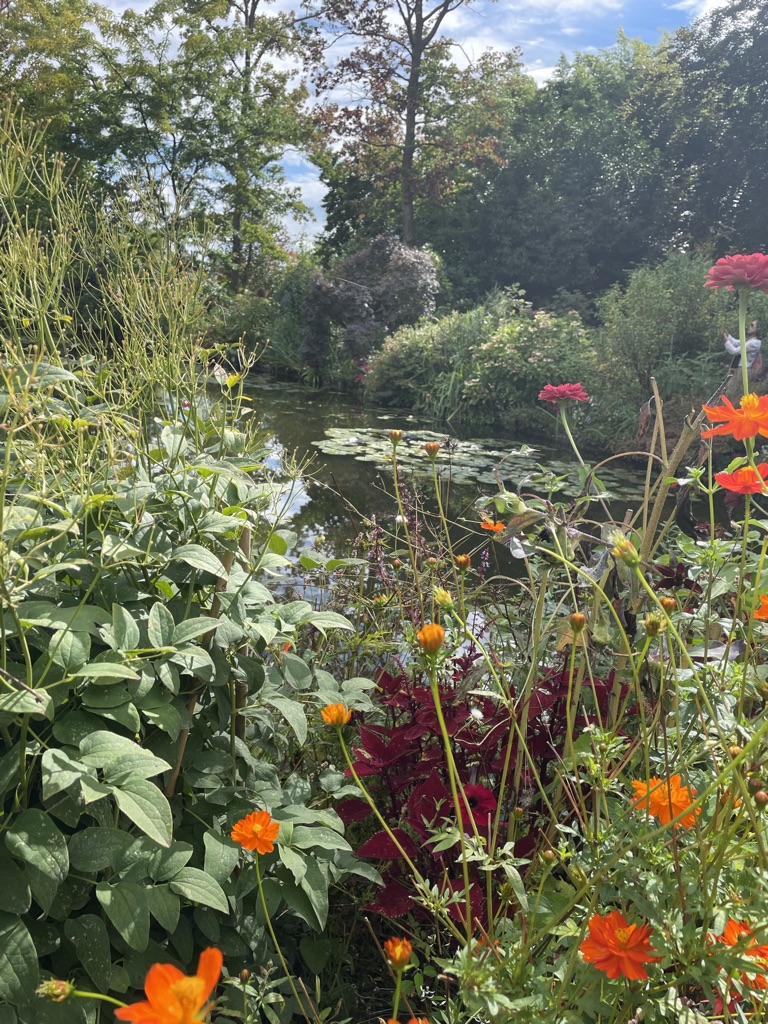
To draw inspiration from Monet’s garden at Giverny, we must focus on the following elements: Diverse Flower Selection, Attention to Color and Composition, Creation of Pathways and Focal Points, and Embracing a Naturalistic Planting Style.
As I prepare my move to France, I eagerly anticipate incorporating elements from Monet’s Giverny garden alongside other indigenous French flora. While my garden in Canada remains a work in progress, I am excited to share gardening wisdom with fellow enthusiasts and infuse it with the beauty and inspiration of Monet’s masterpiece.
If you are starting your garden and aiming for a little French charm, consider planting these indigenous flowers from the Normandy region. They are relatively easy to grow and will thrive in various climate zones, including Canada.
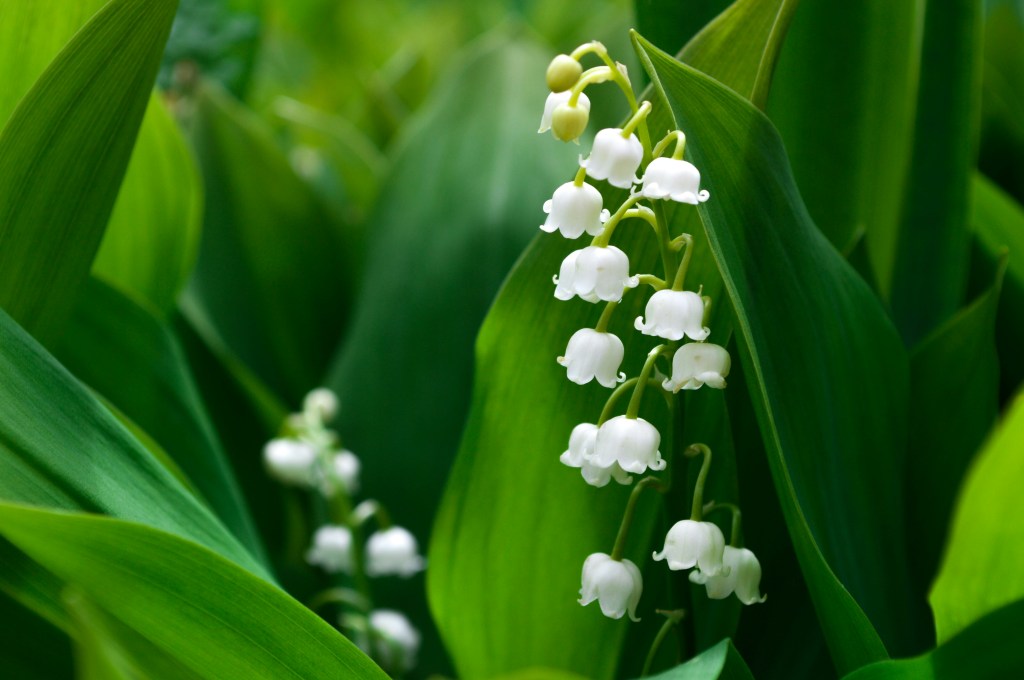
- Lily of the Valley (Convallaria majalis): Renowned for its delicate bell-shaped flowers and sweet fragrance, Lily of the Valley thrives in the shade of Normandy’s woodlands. It’s a perennial favourite, symbolizing happiness and purity. While these charming flowers already grace my garden, it’s essential to note that Lily of the Valley can be toxic when ingested, so there is a need for caution around pets and children.
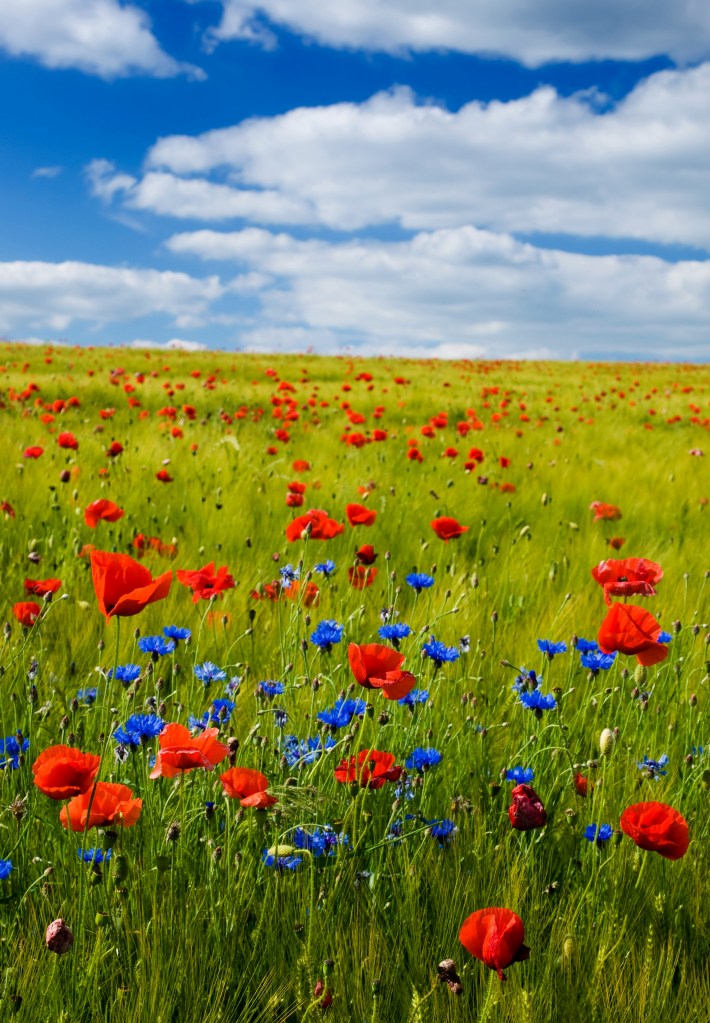
- Common Poppy (Papaver rhoeas): The vibrant red blooms of the Common Poppy blanket Normandy’s fields, adding a ‘pop’ of colour to the landscape. This hardy annual symbolizes remembrance and is associated with the region’s history.
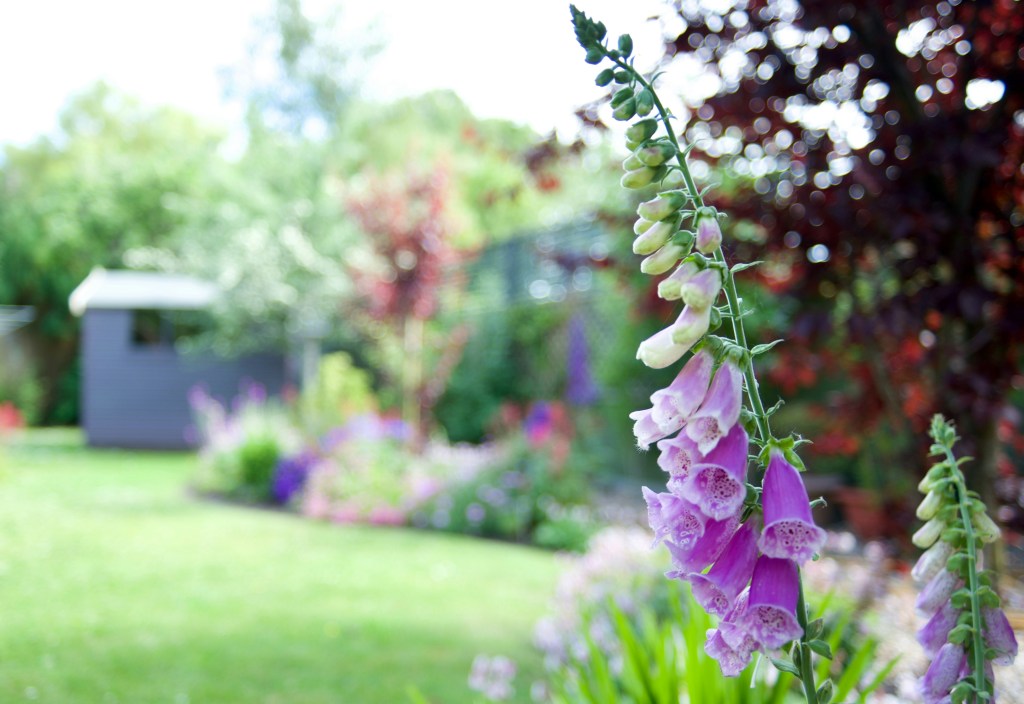
- Foxglove (Digitalis purpurea): With its tall spikes adorned with tubular flowers, Foxglove adds vertical interest to gardens in Normandy. While it prefers partial shade, it can tolerate full sun with ample moisture. Be cautious, as all parts of this plant are toxic if ingested.
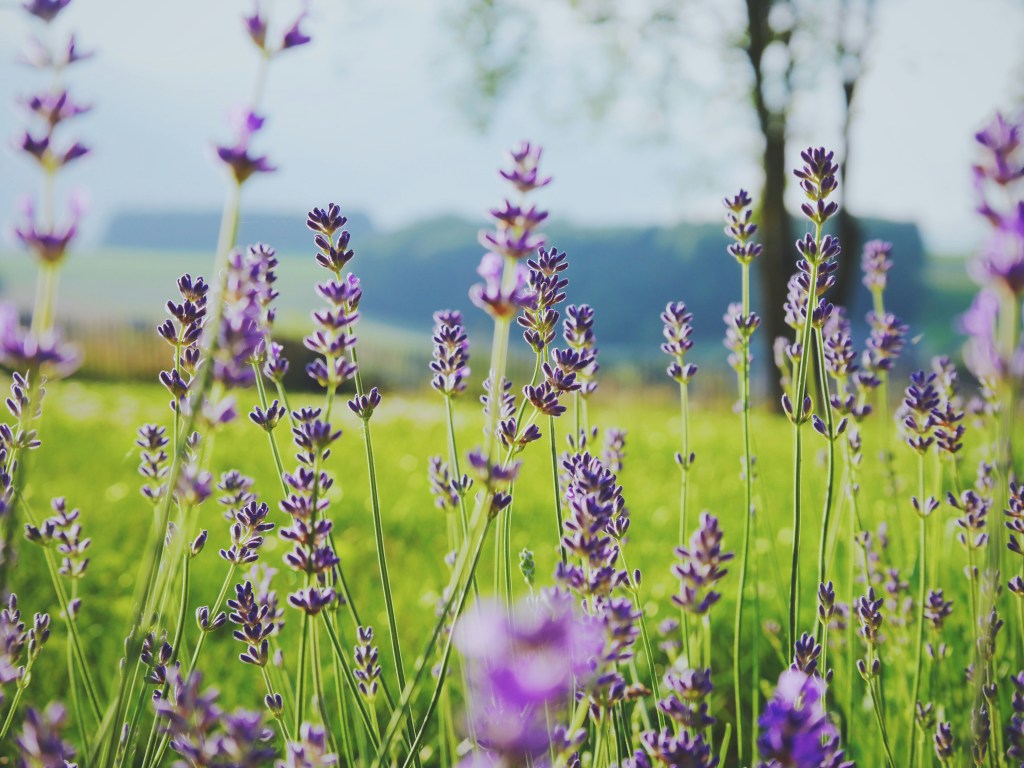
- French Lavender (Lavandula stoechas): Renowned for its fragrant leaves and vivid purple blossoms thriving in sunny, well-drained soil. This perennial herb delights the senses and attracts pollinators, enriching the garden’s ecosystem. Personally, lavender holds a special place in my heart, evoking cherished memories of France.. While English Lavender (Lavandula angustifolia) is hearty enough for our climate and can be found in every sunny spot in my garden, I eagerly anticipate planting Lavandula stoechas. This variety boasts a stronger fragrance and distinctive flower spikes, which I believe will add a unique charm to my garden.
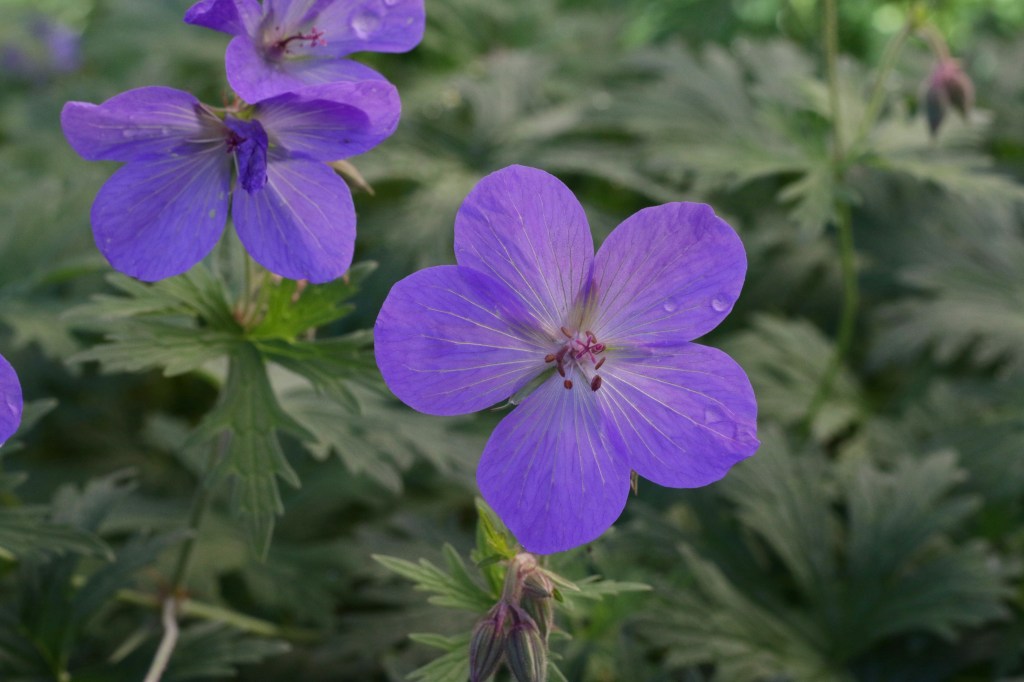
- Meadow Cranesbill (Geranium pratense): This charming perennial features delicate, deeply lobed leaves and clusters of violet-blue flowers. Meadow Cranesbill is versatile and adaptable to various light conditions, making it suitable for full sun and part shade gardens.
As I start preparing my to-do and to-buy lists in anticipation of the upcoming improvement in Canada’s weather within the next two weeks, I am excited to plant and share photos of my garden as it blooms. Let us celebrate the natural beauty of Normandy by incorporating it into our gardens, creating enchanting and inspiring spaces, one bloom at a time!
A bientôt.




 Maple to Marais
Leave a comment