
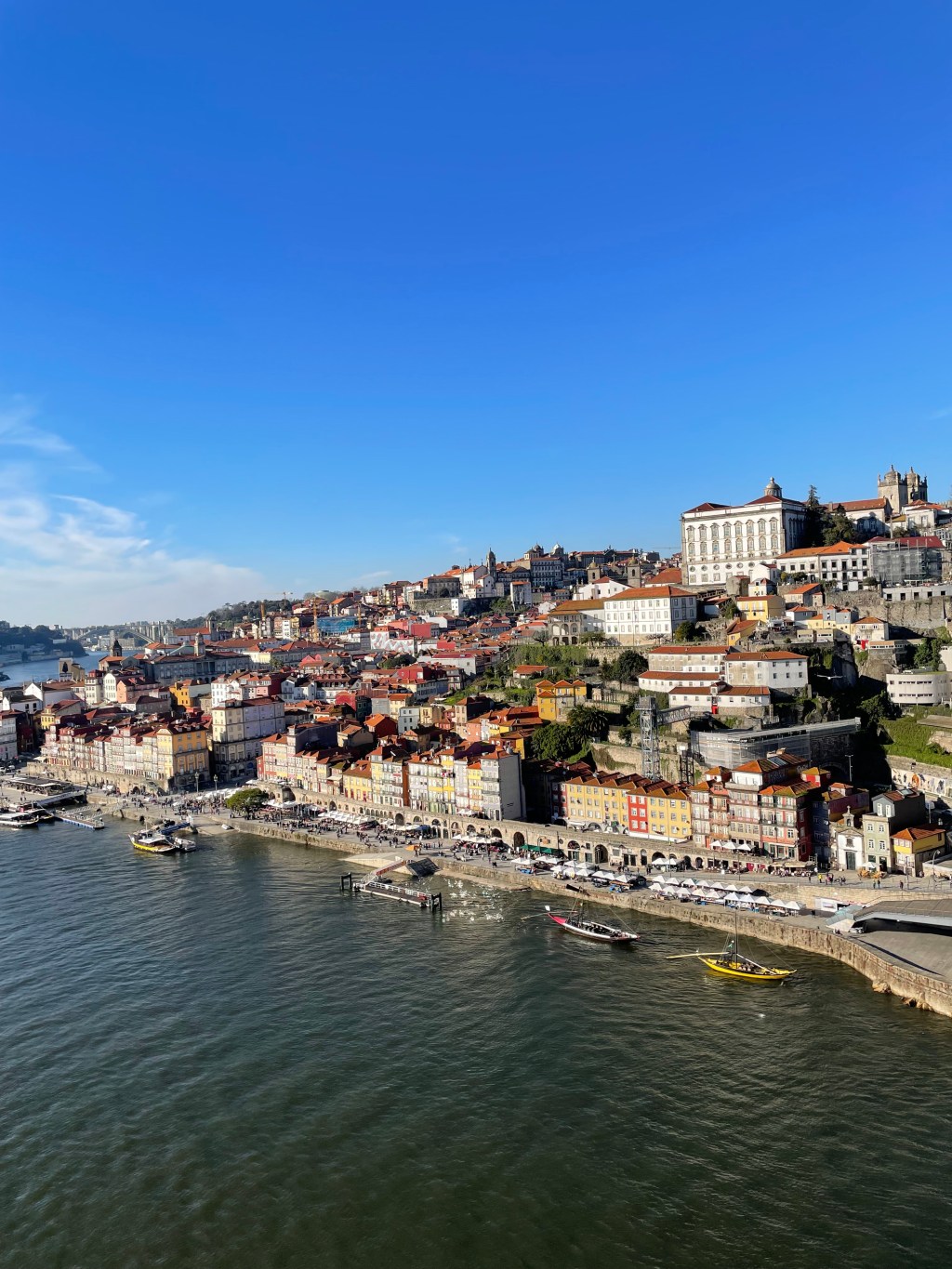
Oporto! The mere mention of its name fills you with wonder and excitement. As soon as you arrive, you can’t help but gasp, “Ooooooo Porto!” This lively city, nestled alongside the picturesque Douro River, is a treasure trove of history, culture, and natural wonders. My recent trip to Porto marked my second visit, and it was a delightful adventure, despite the unpredictable January weather. While two days were soaked in shivering rain, the third day welcomed me with brilliant sunshine, allowing Porto’s beauty to shine in all its glory. Here are some unforgettable moments from my journey:
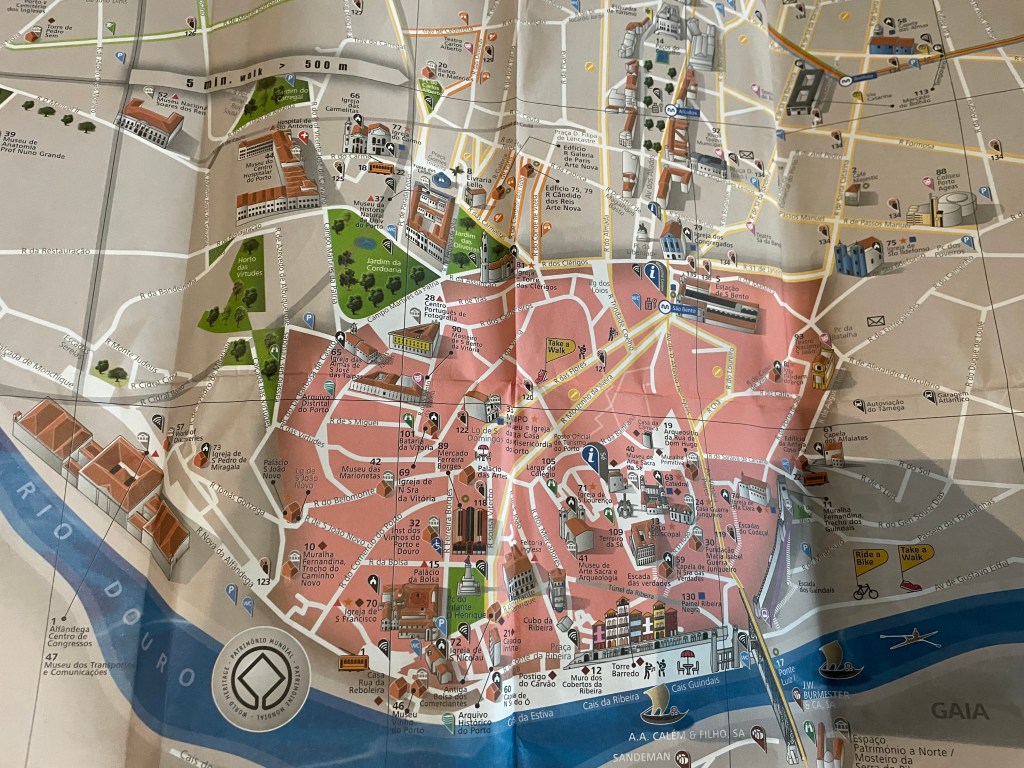
- Arriving in Porto:
My adventure in Porto began with a train journey from Lisbon, a leisurely three-hour ride. The train, known for its punctuality, offered comfort and even onboard wifi, which allowed me to relax and catch up on work and emails during the trip. If you’re buying tickets last minute, expect to pay around 65 euros per adult, depending on factors like duration, number of stops, and time of day. Porto’s train station, conveniently located near the city centre and waterfront was a quick 8-minute Uber ride to my accommodations.
- Wandering the Streets:
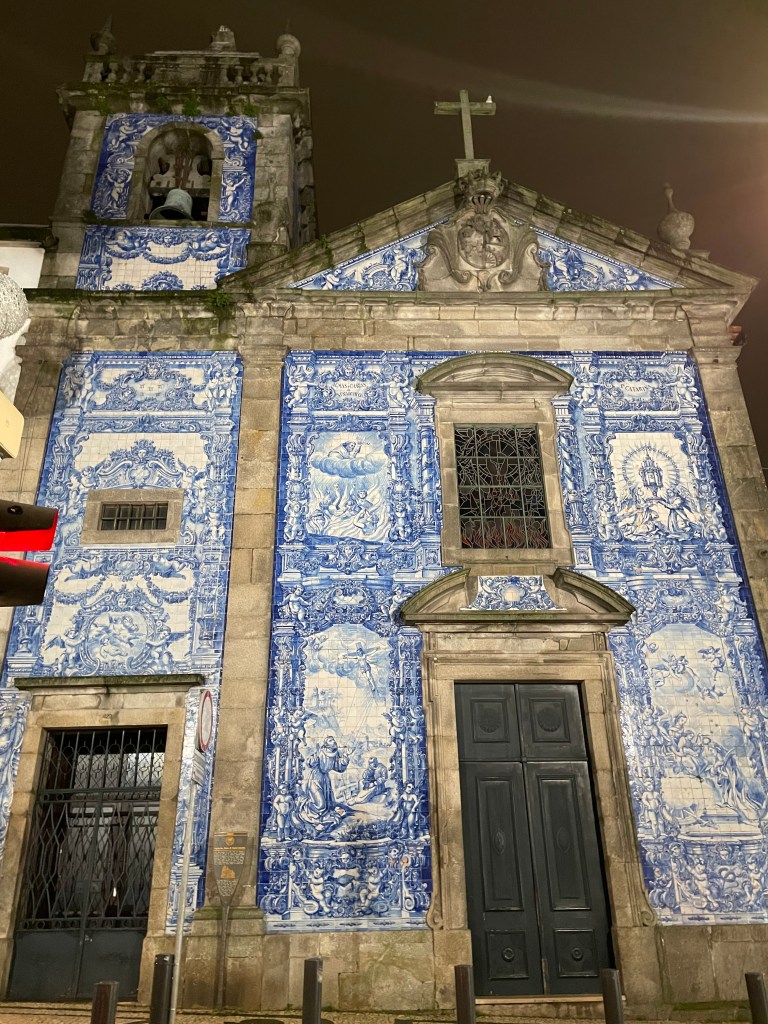
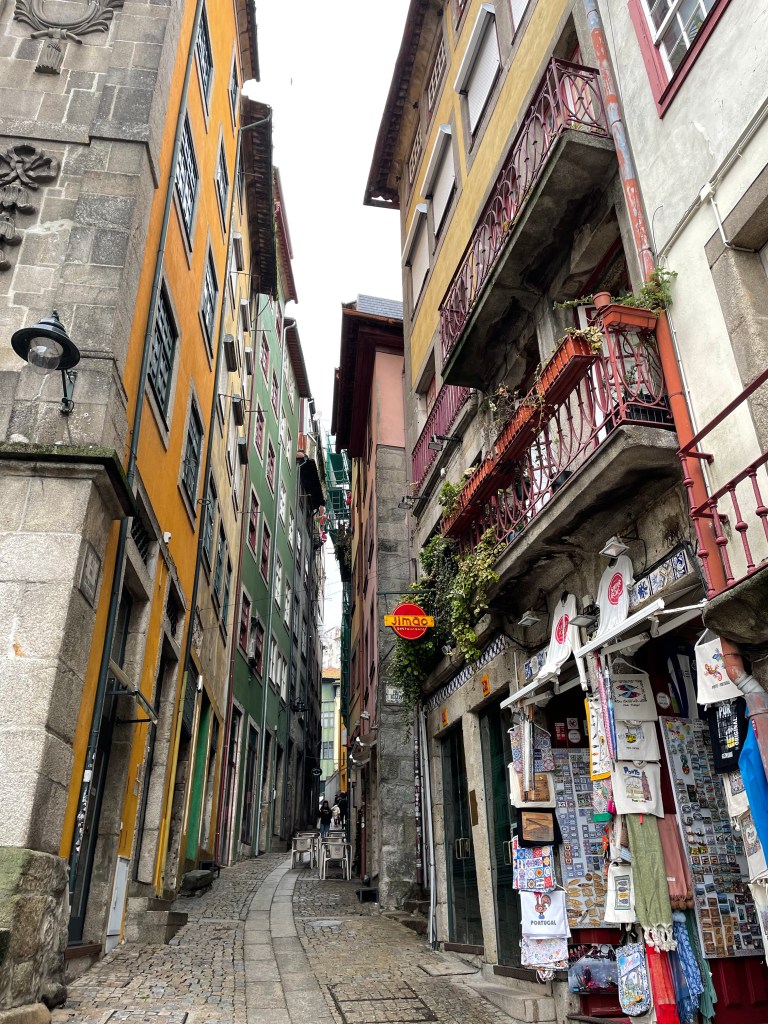
Porto’s size makes it perfect for relaxed exploration, and even in January, the city buzzed with life. Locals shared that during summer, the city centre gets overcrowded with tourists, making winter an ideal time to visit. I took an entire day to uncover Porto’s hidden treasures, including its iconic churches adorned with blue tile facades. You can easily visit 5 famous churches within a 40-minute walk, but I suggest dedicating plenty of time to wander the charming streets, visit the Sao Bento railway train station, Rua Santa Catarina and uncover Porto’s hidden treasures. Take your time to soak in the sights, and don’t miss a visit to Mercado do Bolhão market, where you can buy fresh fruit and juices, local sauces and tasty homemade treats.
- Visiting Port Houses across the Douro, Vila Nova de Gaia:
On the one sunny day of my trip, I decided to hop on the Douro River Ferry, also known as a water taxi, to explore the famous port houses from Cais de Ribeira to Cais de Gaia. It cost 3.50 euros per person, payable only in cash, and the boat departed every 15-20 minutes once it filled. The short ride lasted 5 minutes, including docking.
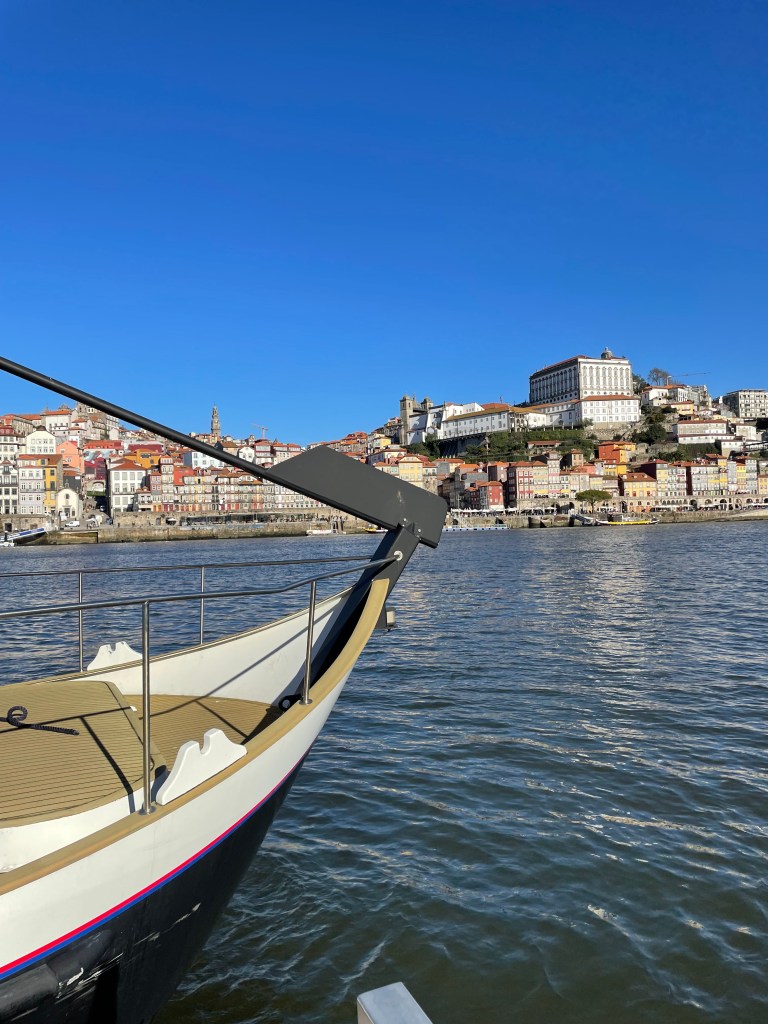
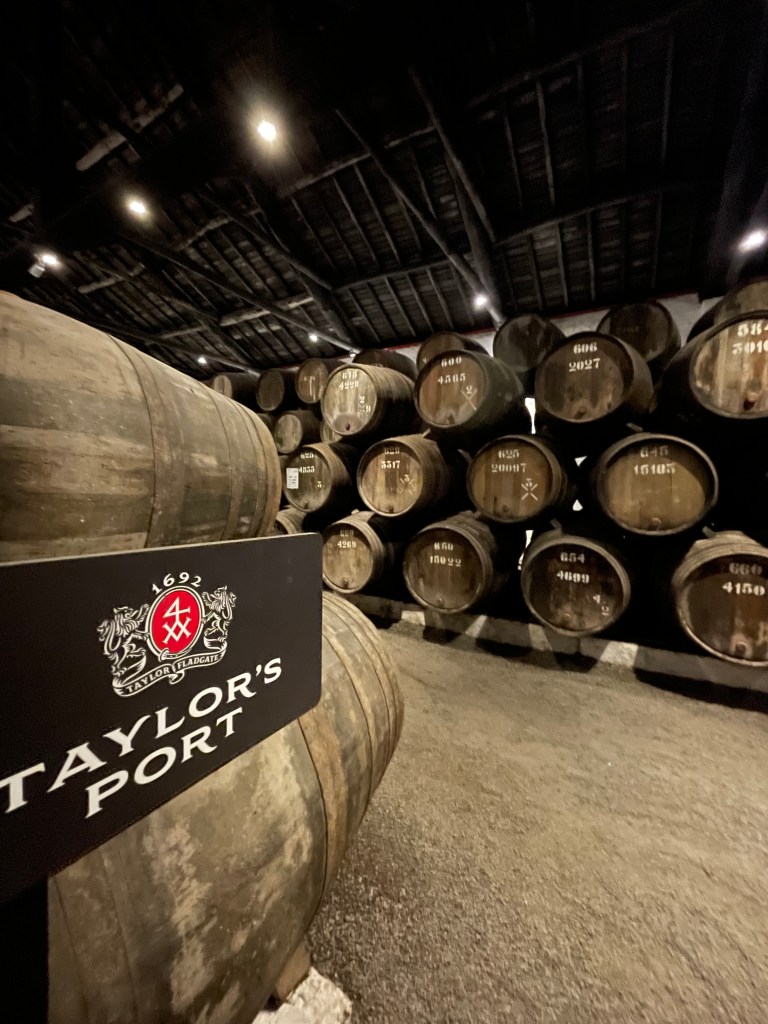
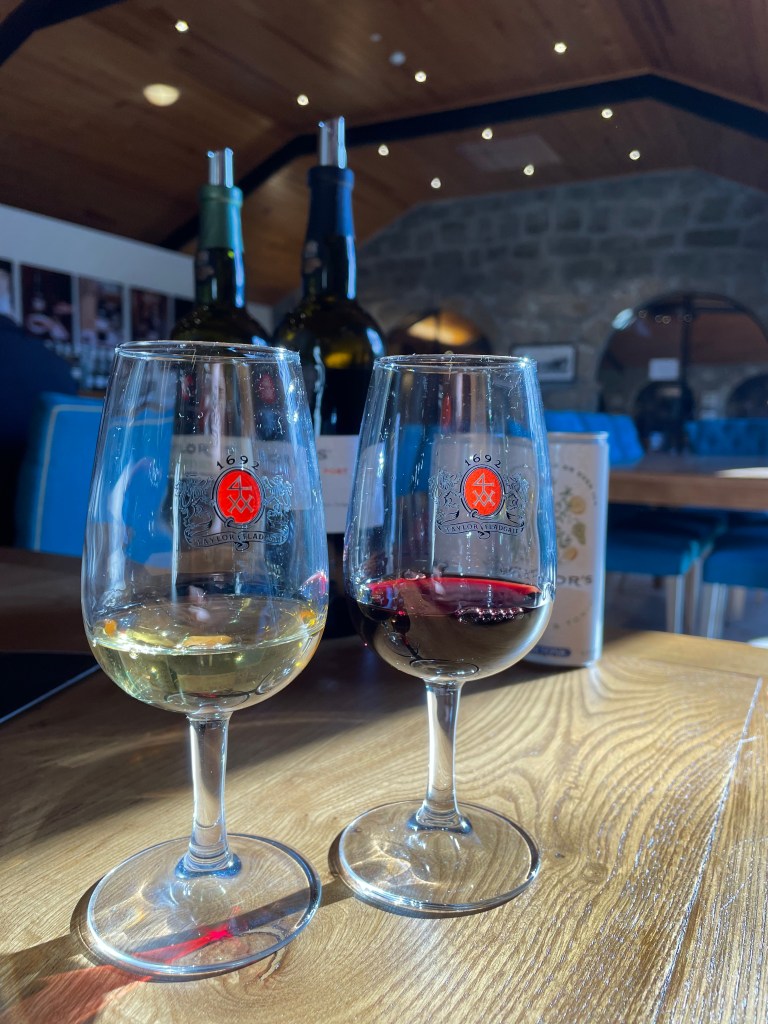
The previous night, I consulted with a friendly sommelier for recommendations on which port house to visit, and he suggested Taylor’s Port House (previously having been to Ramos Pinto). I chose the guided tour and received a remote-controlled device to listen to the audio guide at my own pace, which lasted around 1.5 hours. Although I felt overwhelmed with information towards the end of the tour and missed the last two checkpoints, I enjoyed the experience. I am certain it enhanced my tasting by providing insights into the flavours.
After enjoying a lunch at Mercado Beira-Rio (located along the water), I decided to cap off my day by walking across Porto’s iconic Ponte de Dom Luis I bridge. First, I took a charming funicular ride uphill, which cost 7 euros, while enjoying stunning views of the cityscape. Walking across the bridge with trams passing was such an adventure. Visiting Vila Nova de Gaia is a must to do while in Porto, especially given its convenience.
- Porto Cathedral (Se Catedral)
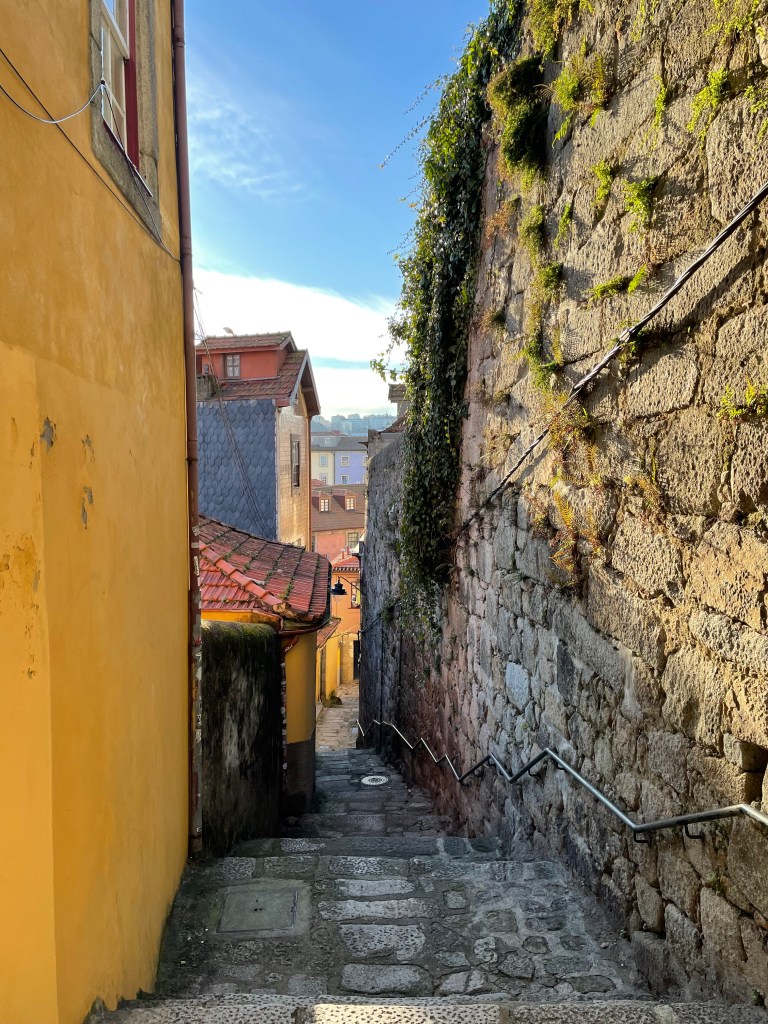
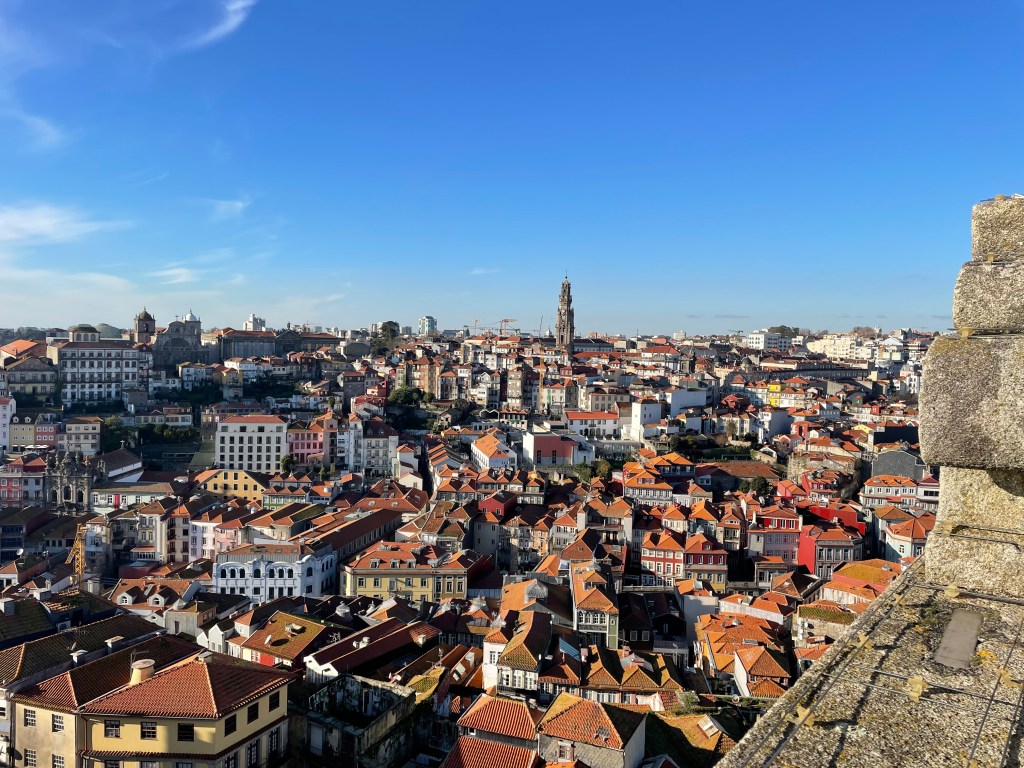
For those planning to visit the cathedral, here’s a helpful tip: consider combining your trip with a visit to Vila Nova de Gaia, as it’s easier to reach the cathedral after crossing the upper bridge deck. Walking downhill (as the photo shows) towards the Ribeira offers picturesque views and makes for effortless photography.
Entry to the cathedral is priced at 3 euros, granting access to the cloisters, tower, cathedral, and the treasury. For an additional 3 euros, visitors can opt for a combined ticket, including entry to the nearby Paco Episcopal, the bishop’s palace, which tends to be less crowded and is a quick visit only if time allows.
Stepping into the cathedral’s cloisters is an awe-inspiring experience, unlike anything else. The intricate stonework, complemented by vibrant azulejos (tiles), creates a truly breathtaking sight. Be sure not to miss the two enormous azulejo panels on the tower level; they are simply magnificent. While the ascent to the tower for the view may be challenging, the sense of accomplishment upon reaching the top is unparalleled! It took me several breaks to make it up, but the view made every step worth it. A visit to Porto Cathedral is not just a journey through history and architecture but also an opportunity to marvel at the intricate beauty and cultural richness of this enchanting city.


- Palacio da Bolsa
This national monument sits proudly in the heart of Porto’s historic center, a landmark you’ll likely encounter multiple times during your stay. What sets the Palacio apart is its inclusive ticket price of 12 euros, which covers a mandatory guided tour. While some may prefer more flexibility, I appreciated the convenience of not having to decide whether to take the tour. However, it’s wise to check ahead for tour availability in your preferred language to avoid disappointment. Arriving early paid off for me; I snagged a spot on the English tour without rearranging my schedule.
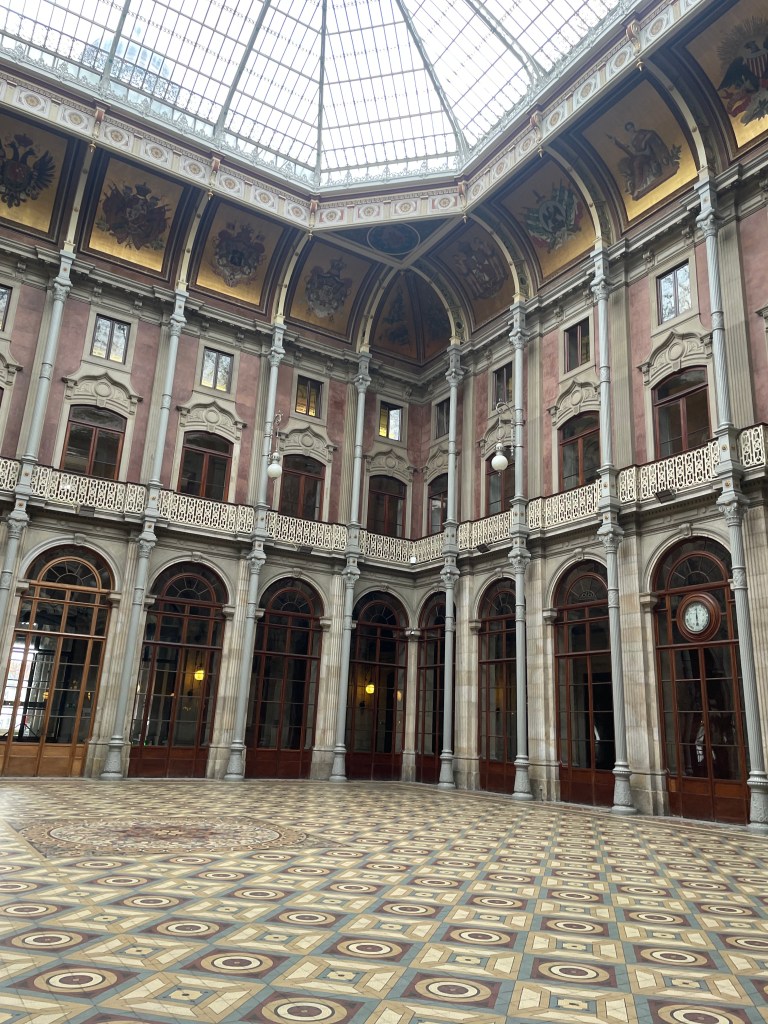
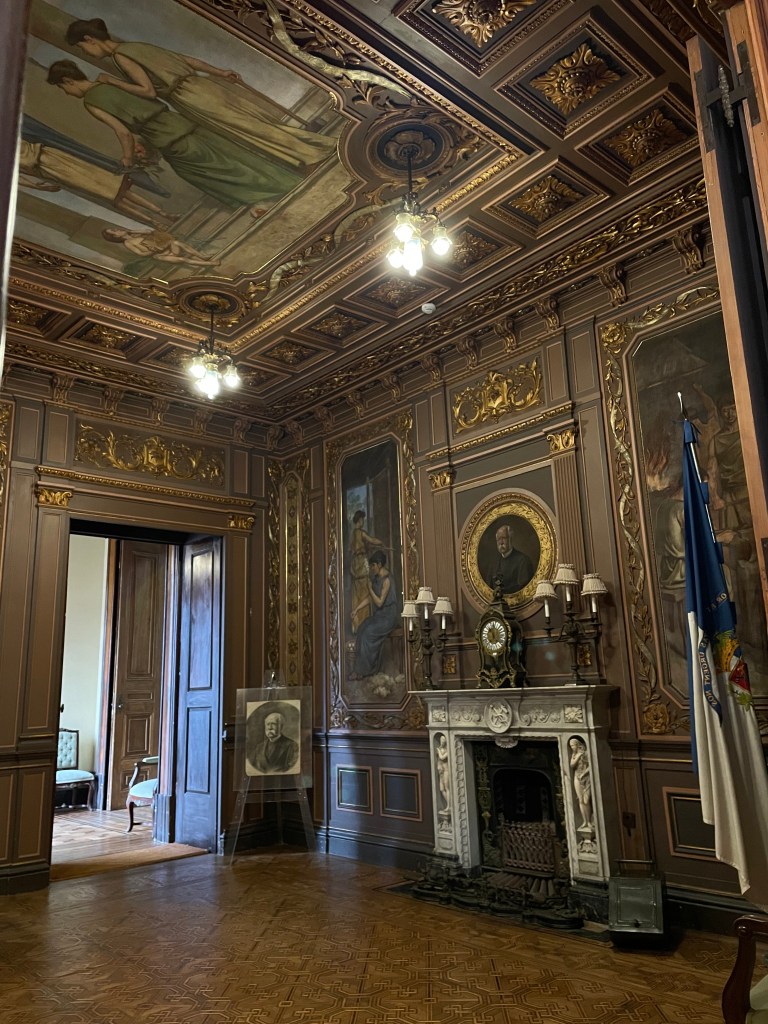
Despite complaints about ticketing disorganization, our visit went smoothly. Pro tip: Consult your accommodations to assist with tour times before heading out to avoid any surprises. The online ticketing agent doesn’t always work properly. Our guide was knowledgeable and kept the tour concise, lasting about 40 minutes. The palace’s intricate design, from the floors to the walls and windows, left me in speechless. The Arabian room, a highlight of the tour, showcases stunning designs reminiscent of those found in the Middle East and Morocco.
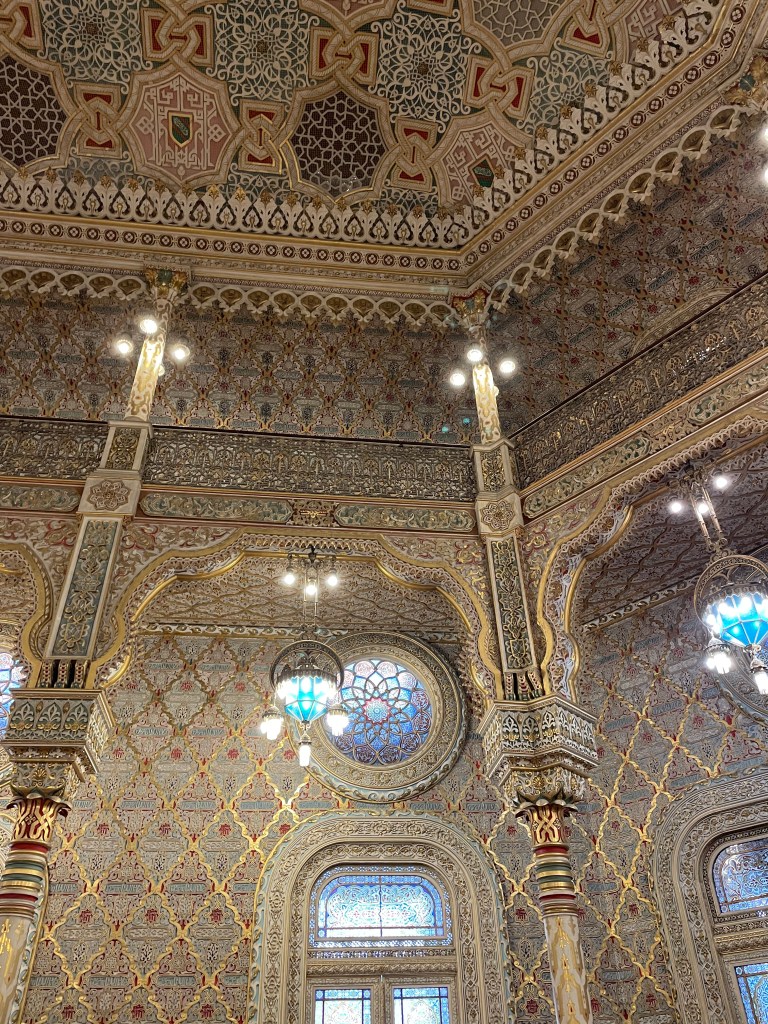
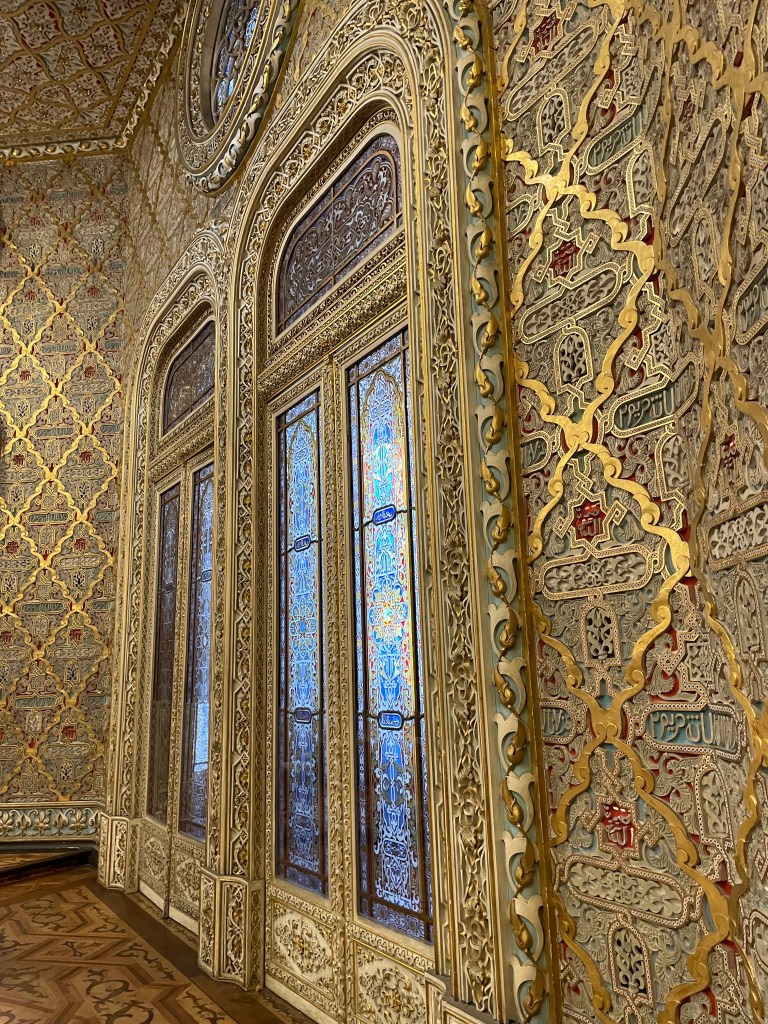
A visit to the Palacio promises a glimpse into Porto’s rich history and architectural beauty, a city that never fails to enchant. Make sure to include it in your travel plans and discover the captivating charm of Porto’s spiritual heart.




 Maple to Marais
Leave a comment