

In January 2024, before I decided to retire in France and make my dream a reality, I spent some exciting days in Lisbon, Portugal. Having visited the city before, I was excited to experience the post-holiday atmosphere. A non-stop flight from Paris typically takes around 2 hours and 35 minutes, or a scenic 15-hour road trip (for those with time to spare). Upon arrival, I purchased a SIM card at the airport for 24 euros, with a helpful tip being that you can get the same card from a different company for only 10 euros if purchased at the metro station after paying for your metro card. Here’s another tip: save your metro card so you can reload it for future use. Remember to activate it upon entering the metro and activate it again when exiting. Thus ensuring your trip is complete.
Opting for a mix of Uber/Lyft rides and public transport, I found it the perfect way to navigate the city’s hilly terrain. The metro system with affordable car services for uphill trekking proved invaluable, sparing me from exhaustion. I must emphasize the extensive walking involved; I averaged at least 20,000 steps daily. Therefore, carefully selecting when to walk versus utilizing transit saved time and energy.
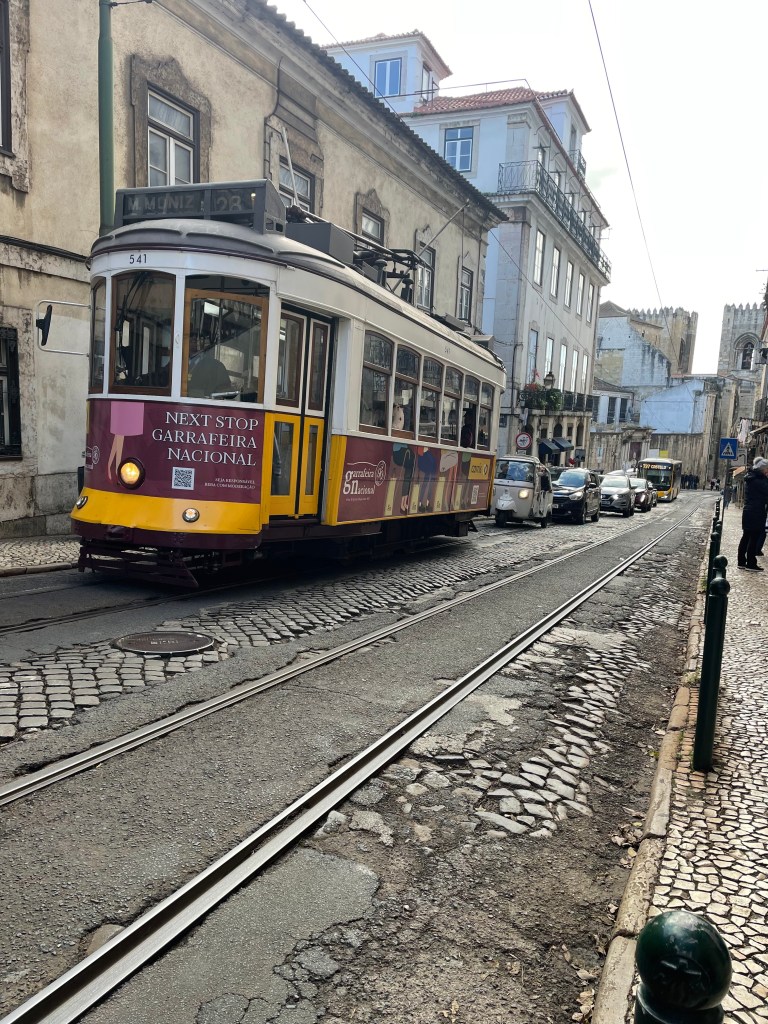
Lisbon has an excellent transportation network. The availability of a 24-hour tourist transport card for only 6 euros was a great convenience. Despite January being considered a low season, the city was bursting with travellers, (I believe the locals wisely frequented less touristy areas). As for the weather, while it was unpredictable, it posed no significant hindrance, especially compared to the harsh Canadian winters I’m accustomed to (fortunately, I missed three snowstorms while away for 6 days). I was in several torrential downpours, and my umbrella eventually broke. Thank goodness I had the foresight to bring one!
Here are some highlights from my travels if you’re only in Lisbon for a short time:
- Feira da Ladra Flea Market:
One highlight was my visit to the renowned Feira da Ladra flea market at Mercado de Santa Clara in Lisbon (open from 9 am-6 pm only on Saturdays and Tuesdays). If you plan to travel by metro to the nearest station, I strongly recommend taking an Uber or Lyft ride up the hill. This decision could save you a 30-minute uphill trek from the station and potentially save your day.
The market offers an eclectic mix of items, ranging from random dishes and crystals to souvenirs, new and pre-owned jewelry, and even unique handmade crafts by artisans. I spent three to four hours strolling around, admiring the offerings, and occasionally bargaining for vintage housewares. The weather was spectacular and sunny without being unbearably warm so, it was enjoyable to wander.

As an enthusiast of vintage and antique markets, exploring Feira da Ladra was a must for me. While the selection of collectibles didn’t entirely blow me away, it is worth a visit if you enjoy this type of activity/excursion. It ranks among my top experiences in Lisbon.
Prices for most items are negotiable, depending on what you’re seeking. For instance, I stumbled upon a Fire King espresso cup and saucer made in the USA, priced at only 3 euros so, no negotiation needed. I found 925 silver jewelry in Lisbon surprisingly cheaper than in Morocco. Although the vendor initially claimed the prices were non-negotiable, she kindly reduced the price by 2 euros as a gesture of goodwill.
- Exploring Belem:
On the first and third Sunday of each month, one of Lisbon’s markets emerges near the renowned Jerónimos Monastery: the Belém Antiques, Antiques and Crafts Fair. Visiting the monastery is a must, and here’s a tip: if you arrive in the morning, don’t join the queues immediately. Instead, head across the street to the open mirrored container-like offices to purchase your ticket. Everything operates automatically, and if you’re a young adult or a student, don’t forget to ask how to present your id card for a discount.
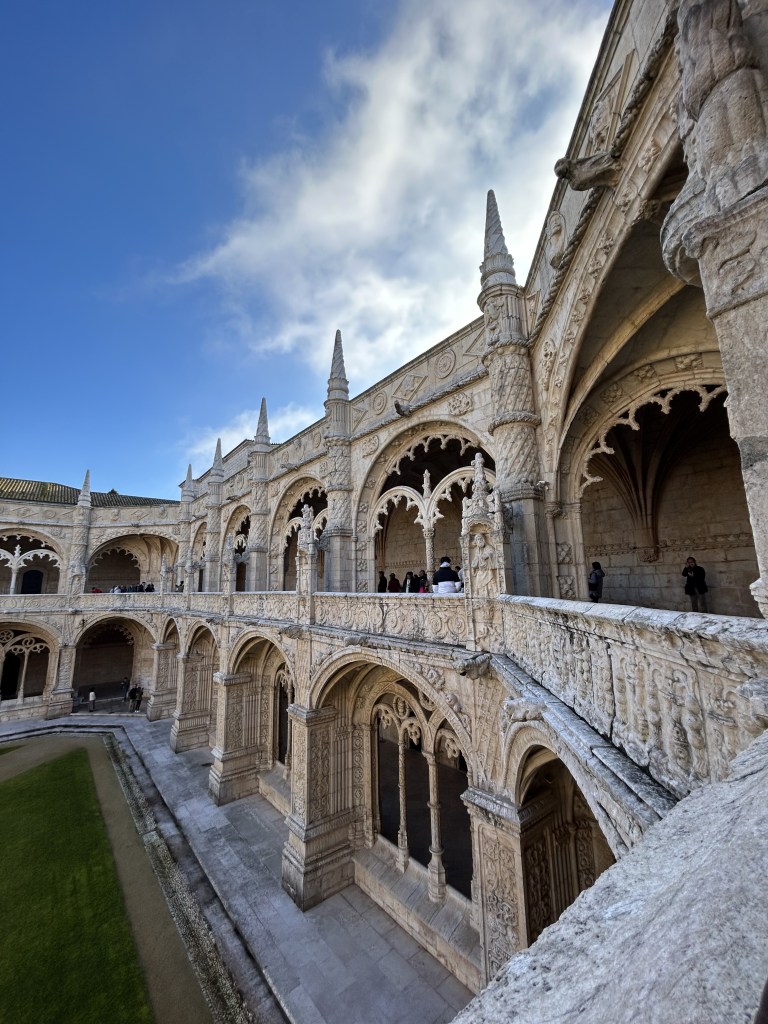

The monastery itself is striking, and I made sure to explore it first before delving into the antique market (which goes the length from the monastery to the water – cross under the underground underpass to get to the Padrão dos Descobrimentos) and indulging in some Pastéis de Nata.

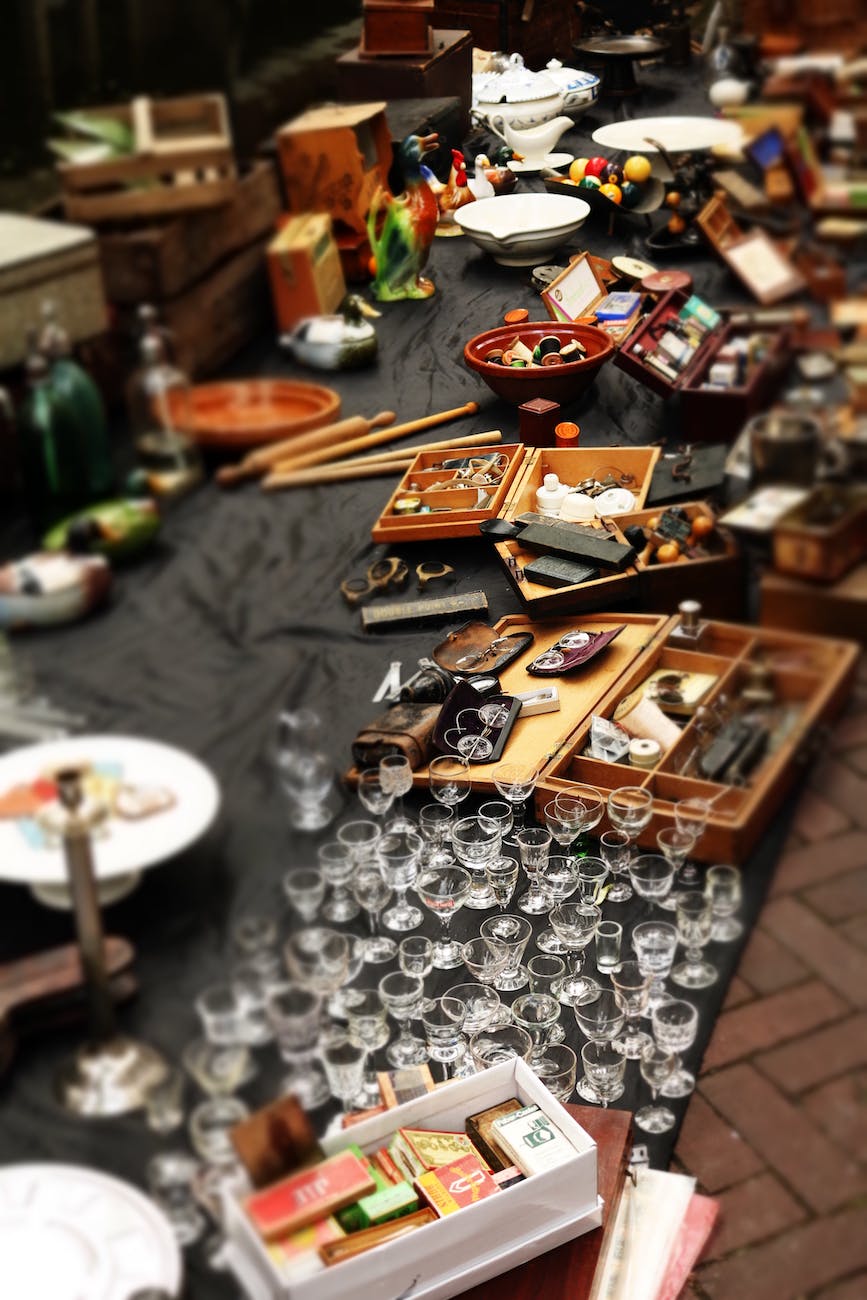
Now, let’s clear something up: there’s often debate about where to find the best pastries. Some swear by the original Pastéis de Belém, while others claim that Manteigaria produces the finest. For me, nothing compares to the original recipe crafted by monks, a secret that remains closely guarded to this day. And here’s a pro tip: skip the dining room queues and head straight to the counter on your right. When those Pastéis de Nata are warm, they’re simply irresistible. While we may have versions of them here in Canada, even from traditional Portuguese restaurants, nothing quite matches the authenticity of the real deal.

Exploring Belem was an absolute delight, offering a perfect way to spend a day. If you’re satisfied with admiring the monuments from the outside, there’s no need to purchase tickets. However, if you’re eager to explore each individually, I suggest buying a timed ticket online to avoid hassle. Even in January, the queues were endless, especially for the Belém Tower. Additionally, if your plan in Lisbon mainly revolves around visiting monuments and museums, consider investing in the Lisboa Tourist Card. Despite its perks, I found it was unnecessary after planning my days and what I wanted to see.
- Getting Lost in the Streets and Shops:
For me, the true essence of Lisbon lay in aimlessly wandering through its streets and shops, making it my third most cherished experience in the city. I couldn’t help but laugh every time I found myself navigating up and down the city’s steep inclines, having to pause my journey with breaks for hot chocolate, coffee, and pastries. That epitomizes the ideal life—simply getting lost in the moment, one step at a time.




 Maple to Marais
Leave a comment